Episode Transcript
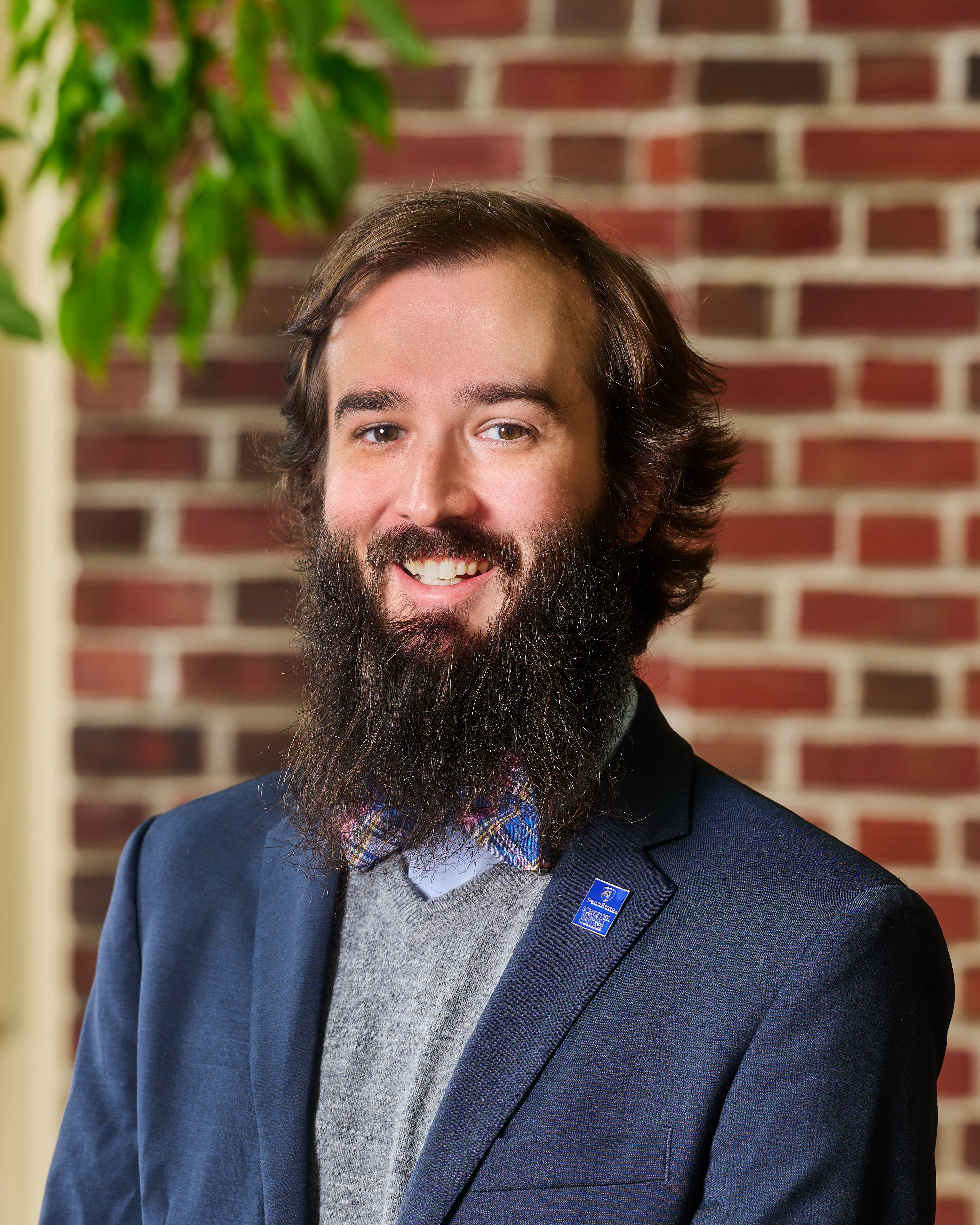
[00:00:00] Speaker A: Foreign welcome back to following the Gong, a podcast for Schreyer Scholars, bringing you mentoring on demand from Scholar alumni. I'm your host, Shawn Doehin and our guest today joining us from Sunny Los Angeles, California, is personal financial advisor Christopher Stroup, class of 2014. Thanks for joining us here.
[00:00:21] Speaker B: Hey, Sean, I'm happy to be here.
[00:00:23] Speaker A: So, Christopher, there was no chance that you were going to take a cross country road trip out to Happy Valley to join us today, was there?
[00:00:31] Speaker B: That is true. That is true. If you're referring to my life without a car here in Los Angeles, it would have to involve, you know, ride shares, planes, things like that. If you wanted me to get to Happy Valley.
[00:00:41] Speaker A: Yeah, I wanted to talk about that because, you know, a lot of our, our students and young alumni, they go to cities like New York, D.C.
and maybe even Los Angeles and they might not have a car to start. They may not need one. So how do you navigate life, like literally navigate life as an alum without a car?
[00:01:00] Speaker B: When I was moving back to Los Angeles, I had spent some time in Philadelphia where I had a life without a car. And you can definitely make it work in Philly with mass transit.
I enjoyed that lifestyle so much that I vowed when I moved back to LA that I was going to try to make it work without a car. And so many of my friends were like, you're crazy. You have to have a car in la. It's so big, it's just required. Mass transit isn't that great. So as they said. But the reality was, is that I was a little stubborn and decided to build my life around not having a car. And you know, it can be done. I've been in LA for six years now and largely use the bus or the train or ride shares. Right? You can get away with not owning a car nowadays. And you know, there's even wham o out here driverless cars. So I think for those scholars, you know, moving to big cities, it's going to be a part of your life, especially right after college where having a car in a big city may not be practical.
And with technology nowadays, using mass transit has become so seamless. Even here in la, we're not known for mass transit.
Once you spend the time to figure out the system, it's pretty intuitive and you can get around the city pretty easily. And the reality is that I walk a lot in la. There's different pockets in different neighborhoods where I can have a life where most things that I need are within walking distance. And now I benefit from the ability of Working from home. And so there's that non commute to an office. But even when I did have to commute to an office, I was walking or I was taking the train and so you can make it work. And I think for me there's added value in the lifestyle and being a little bit healthier and reducing my footprint la I think is better off with one less car. And so I'm happy to lead that life.
[00:02:55] Speaker A: Awesome.
And Christopher, I think you hopefully just eased some concerns for maybe some rising juniors, seniors who are getting ready to graduate. And that's just one less thing. Like, hey, I know I can do this if I don't need a car, no matter where life takes me.
[00:03:11] Speaker B: Totally. Yeah. I think it's just one element of you adjust and you plan with what's available to you and you can make it work.
[00:03:18] Speaker A: And I must say I thought it was kind of ironic when I got to that little tidbit on your questionnaire because ironically you majored in petroleum and natural gas engineering and your original job out of Penn State was not digging into a client's finances, but you were digging for oil as a petroleum reservoir engineer.
How the heck did you end up pivoting from that and working at Chevron to being a financial advisor?
[00:03:50] Speaker B: Yeah, that's definitely a loaded question. There's a lot to unpack in terms of dive in really, how? What were the causes of making that change?
I think from a career and professional standpoint, oil and gas is very much commodity driven in terms of the price of oil.
And right after graduating from Penn State and Shrier's and working for Chevron, the cost of oil was at $100 a barrel. Fast forward 12 months, it was at $25 a and people were losing their jobs. I remember having to reapply for my job at Chevron and I was fortunate to keep it.
But what that process taught me is that I would have had a harder time pivoting into other careers because petroleum engineering is pretty specific. And so I had sort of pigeonholed myself into that career, whereas maybe if I studied chemical engineering or mechanical engineering, I could have more easily pivoted into a different industry.
And so that experience taught me that I needed to rebrand or make myself more marketable. And so I had made the decision from a career standpoint that going back to school, studying my MBA was going to be just a good move career wise to learn new skills and also just look introspectively at my life and what was important to me to figure out what did I want to do next. Was it staying in oil and gas? What? Or was it going to be pivoting into something completely different? And candidly, financial planning and being a financial advisor was not anywhere on my radar when I left Chevron to study for my mba. But I trust in the process of being open to what that education and that schooling and what life was going to throw at me. And ultimately I found my way into wealth management. And the reality is that when I was studying for my mba, it was just a job description that landed in my inbox from the career services director.
It was for an internship with Goldman Sachs and their private wealth advisory group.
And it really just spoke to me. It was in terms of what it was asking and the values of that role. It was entrepreneurship and impact on people's lives and interest in financial markets and having to be a lifelong learner. Tax laws constantly change, estate laws constantly change. And all of those were really important to me in terms of having those elements in my next career as I was able to sort of restart more informed.
And that led me down the path of looking at financial advisory positions and breaking into wealth management. And the irony with all of this is that my brother is actually a financial advisor. So it was sort of in front of me from the very beginning, but I just never decided to look to see like what was there.
But yeah, it was that MBA that really allowed the pivot to happen. And I studied in Philadelphia, but knew that LA was home. And it continues to be home for me. And so I knew that I was ultimately going to be coming back to Los Angeles. And my Penn State network is what got me my job, my first job out of grad school, watching football games at the Britannia English Pub here in Santa Monica. I made friends during that time. And one of the partners at Abacus Wealth Partners is the financial planning firm that ultimately got my first job. And I knew her really well. And they had opening and I remember texting Carrie Jean is her name and saying, hey, I'm going to apply for this opening.
Who should I address my cover letter to? And the rest is sort of history in terms of going through the interview process and securing the job and flying out to Santa Monica to interview and securing it and then moving to Santa Monica after my MBA and haven't looked back. Been in financial advising ever since.
[00:07:38] Speaker A: That is incredible, Christopher. And that last little bit, I want to unpack that a little bit more for our students and for our young alumni. So if I heard you right, you were going to some alumni football watch Parties, just hanging out with some other Penn Staters involved with the alumni association, and you start networking. Tell me about that experience. Like, what are those like once you're out there beyond Happy Valley, you're not in the stadium, but you're at the bar, you're at the pub. You said watching as a grown up.
[00:08:08] Speaker B: Totally. Yeah. And for me you made the comment of getting out of Happy Valley. Right. I moved to Bakersfield, California, 3,000 miles away from really family, friends, the community I'd always known.
And one of the reasons I decided to reach out to the Penn State community, especially in la, because that was the closest chapter to me at the time, was that I was a little lonely, to be totally honest. Right. I was on my own in a new state, didn't have that community around me. And so I wanted to find ways to make more friends and build that community. And the Penn State alumni chapter was an obvious choice to have that commonality, to be able to talk about Penn State shared experiences. I am a big football fan, so watching Penn State football and commuting down to the pub here in Santa Monica to watch games with fellow alumni who are either my age than me, it was a great experience to sort of expand my network quickly. And you know, you, you're immediately welcomed because you're a member of the family. And so I think that's really important to, to lean into those opportunities and to leverage them. And again, like those social connections and friends ultimately turned into a professional connection and a career that, you know, I have, have run with now that, you know, I've made my pivot from engineering.
[00:09:32] Speaker A: Awesome. And I wanted to talk about how you initially decided you wanted to get into and you picked your major of petroleum, natural gas. And then also how you decided, hey, I'm going to pursue an mba. Like that's a big decision to drop out of the, out of the industry for a minute and take on full time student again.
[00:09:51] Speaker B: Yeah, yeah. So, you know, my interest in petroleum and natural gas engineering was largely motivated by the influx of an exploration of Marcellus Shale in Pennsylvania. Like during those formative years of like middle school and high school. The industry came in as Marcellus Shale development was starting to sort of take off. And so I really didn't know of the career until industry professionals started moving in and I started to meet those, those folks and I was always someone where math and science was something that I was interested in. Right. So engineering was, was an obvious choice for me. And then I really found that I liked geological sciences and so that Petroleum engineering degree is a really nice combo of all of those things that I found interesting.
And it just happened to be that Penn State was one of the few programs in the country. There's only like 13 programs that offer that major, at least at that time.
And so having a school so close to home and having gotten into Shrier's, it was extremely attractive to me to attend Penn State and to pursue that.
That degree and that career at the time. Right. Knowing what I knew at that moment, I had no clue what life was going to evolve into later on. But at that time, it was. I was doing exactly what I wanted to do and where I wanted to be.
[00:11:06] Speaker A: Awesome.
And then, you know, you have a similar.
You talked about life kind of takes you. You decide, I want to pivot. What was it about an MBA specifically that was so appealing to you in making that decision to jump out?
[00:11:20] Speaker B: Yeah, I think, you know, having the engineering degree, you know, having a strong science and math background was obviously built into my time at Penn State. And I felt like the MBA was going to build skills that I had not yet been exposed to in terms of marketing or running a business or legal. Right. It was really an experiment for me. It was a two year experiment to. To try new things. Right. In a controlled environment.
Find out what did I like. Most importantly, find out maybe what I didn't like. Right. Because I was trying to pivot and I wanted to pivot into a career that was going to be more meaningful to me and have more longevity to it. And so it was really that time for me to figure out what did I value and how do I bring that into a career so that I can have more fulfillment sort of moving forward. Really, it's that basic. And, you know, in the sense of I was looking for something that was going to just speak to me as a career and ultimately bring me happiness, you know, in terms of showing up day in and day out in your career.
[00:12:29] Speaker A: Absolutely. And, you know, you shared with me ahead of time that you were an ra and obviously you have to show up day in, day out for your residents.
And so I guess it's like an early flavor of that. But, you know, is there a story that comes to mind from your time as an RA here on campus and how that maybe helped guide some of these thought processes? Or are there any lessons that you learned from being an ra, particularly in east halls for, you know, that you use in your career?
[00:13:00] Speaker B: Yeah, I mean, I think candidly, some of my favorite RA stories are ones that are being written now and I know I'm no longer an ra, but it's, it's, it's staying in touch with those, I called them my kids at that time. They're now full blown adults. So I hesitate to, to call them that now because, you know, they're in their 30s.
It's seeing them get a promotion at a company that they've been working at for, for years now, or getting engaged. I just had a, had one of my, one of my prior students, you know, recently get engaged or, you know, moving across the country. It's, it's seeing them grow up, right, and lead a life that, that they're happy with and that they're in love with. And it's just, it's fun to watch those moments, right? Having been a mentor to them, a resource to them. While I was an ra, especially, you know, I was a junior and senior, and these were freshmen, and they didn't know a lot per se in terms of, you know, living on their own. It was their first time without their parents around. And so at times you had to be that parent or that fill in. And so it's really just been a joy to watch them all grow up and pursue lives that they're passionate about. When I think of that era and what were some of the skills required and how are they still applicable today?
I would really say empathy, communication, and showing up for people in big moments and small moments, either whether it was a freshman student who is new to campus or now helping people, clients that I may have celebrate a job change or celebrate a retirement or, you know, on the flip side, you know, maybe some less enjoyable things around that happen with life, right? Maybe someone gets ill, maybe there's a divorce. All of that is real life and something that I have to navigate with my clients that I work with in my job. And so I think those early moments of being an RA and learning those skills have only benefited me now in terms of the work that I do.
[00:15:07] Speaker A: So, Christopher, you talked about watching your residents, your kids, if you will grow up, but you also, as a, you know, a Penn Stater, as a Shrier Scholar, you were also growing up while you were here on campus. I was hoping you could talk about your experience as a member of the LGBTQ community here at University park and thoughts on how current scholars who are also part of that community, who have an identity in that space, can navigate the university here in the mid-2020s.
[00:15:36] Speaker B: No, that's a great question.
Candidly, I was not out at that time when I was at Penn State. Right.
And that was a me thing in the sense of I wasn't yet ready as an individual who. I knew I was gay at that time, but I wasn't yet ready to lean into who I really was. That took years and different experiences, but Penn State certainly had the resources that even at that time to benefit those and to help those who identified as members of the community. And I think for me at that time, and it's still true for those who identify today, it was largely around finding my chosen family.
It was embracing who I was and also just finding the people who saw me for who I was. And so I think that's still true for students who are there today.
There are resources at Shrier's, there are resources that the university offers. And I think, I look back at that time and it is the one rare moment in my life where I think, wow, how could have that experience been different?
And not necessarily looking at it in a negative sense, because coming out resulted in so much beautiful change in my life. And so I look back and think, wow, how much more colorful could have my experience at Penn State been? That was already really rich and really lovely. And so I. I sometimes look back and think, man, how could it have been different? And just expanded upon what was an incredible experience I had at Penn State or had a triers and. And the relationships that I still carry today.
[00:17:15] Speaker A: Right.
[00:17:15] Speaker B: And so I think for those students who are there now, just find your tribe. Right? Lean into the resources that the community has. Lean into alumni like myself who. Who are out there and who have been through some of the. Some of the things that you're going through and maybe some of those challenges just to lean on them as a safe space and as a resource.
[00:17:33] Speaker A: Well, I really appreciate that on behalf of our scholars. I know you support some of our senior organizations here, so I want to say thank you for that. I want to kind of loop the last couple questions that we've talked about. So we've talked about your career, we've talked about, you know, your personal identity. How have you aligned all of these things with your career goals? Can you talk kind of like how you got to the point where you're at today of having founded your own financial. Financial planning firm.
[00:18:02] Speaker B: I think for me, it all goes back to once I came out, my authenticity was no longer negotiable, like, full stop. And so at that moment, it was, how do I align my life with who I am? Right. And the Christopher outside of work should be the same Christopher that steps into the office and so finding organizations that celebrated me as a gay man or that just respected me as a member of the queer community was so important to me in terms of, you know, leaving oil and gas, which, you know, historically has. Is a little bit harder for members of that population, I'll say, and trying to move into another career, another organization that was going to just celebrate me for who I was. And so, you know, I've got to say that was really important in terms of looking for different places that I was willing to work at after grad school was, did I feel like they were authentically going to celebrate me? Like, did it feel true and real? And Abacus, where I landed after grad school, was an extremely progressive financial planning firm. And I remember when I was doing my due diligence, they had a teams page, and it had an LGBTQ team page. And I was like, oh, what is this?
And I remember clicking on that page, and it was all the advisors at Abacus that identified as members of the queer community with their photos, their names, everything. And I remember my sort of chin draw or jaw hitting the floor at that moment and being like, wow, I see myself on this page. I want to be on this page. Like, this is my tribe. This is the affirmation I need that this company is going to celebrate me as who I am, right? As my authentic self. And that was really what opened the door to going to Abacus and starting that journey of just showing up as who I am, right? Which allowed me to be a better financial planner, allowed me to be better with my clients, right? If I can just be my authentic self, I show up better for every. Everybody, even myself. And so, you know, it was during that time at Abacus that I was able to sort of flush out the kinds of people that I wanted to work with, right? I tend to work a lot with underserved communities in the wealth management space, largely members of the LGBT community, because I want to support members of my community, right, who traditionally have maybe not had the same level of access to wealth management or financial services, right? At the end of the day, I believe that everybody deserves access to quality financial advice, period. Right? Everyone deserves to reach financial freedom or reach their financial goals, whatever that may be for them. And so my time at Abacus really allowed me to prove out the idea that that community was seeking our services and wanted that help.
And a lot of my work is with entrepreneurs or small business owners. And one of the reasons I got into this business was the entrepreneurial spirit.
You have your own business, you have your own book of clients, things like that. And it was years of helping my clients sort of build their businesses or launch their businesses that ultimately got me to the point where, okay, I've helped other people do this and I think it's now my time to launch and go off out on my own and start my own practice and really take control of my life.
The root cause of launching my own practice was really I never wanted to look back and regret not having tried.
And I think that's so key that I am now almost a year into it, it's hard to believe that I'm approaching the 12 month mark.
But even at this point, I know that I've made the right decision and that I am leading a life and doing the kind of work, working with the kind of people that I ultimately love and enjoy partnering with. And I think it's hard for a lot of people to say that, you know, they're like head over heels with their life and the work they do. But for me, like, that is the reality. Like, I know that I am doing work that brings me true fulfillment and working with the people that I love to work with and who I want to show up with every day. And I think that's such a special place.
And it took time to get there. Right. It took life and years and changes and career pivots and making less money for periods of time and things like that. Right. All of that is, is in that story. It's not a straight line.
And I think that's really important for scholars listening to this to realize is that your evolution and your belief in your evolution is likely what's going to take you far.
[00:22:31] Speaker A: I think that is really, really insightful, Christopher. And my next question is I do want to get into the weeds of what is a financial planner. And don't worry, we're going to get to that. You watching. But I want to dive back for a second. You talked about this idea of being authentic in the workplace.
And I think there's a lot like the phrase professionalism can kind of be a loaded term you'd really dive into or you know, performative elements of being in an office.
But like, how do you, I guess, how did you navigate that early in your career, especially as you were trying to figure out how do I start coming out to people totally and presenting, especially in a career field, like you said, that is a little bit more traditional versus one where you can present in a more authentic and just kind of outgoing way. If you can just kind of eliminate that for our scholars who might be watching.
[00:23:24] Speaker B: Yeah. So, you know, when I was in oil and gas, the reality is that I was out in an oil field, right? Like on oil rigs with a hard hat, H2S monitor, you know, fire retardant clothing, snake chaps, steel toed boots, like how I'm joining you today.
And it was, it was challenging. That's just the reality is that I, I never talked about it. I never talked about that element of my life. I was very much, I was very private just because I didn't feel comfortable, you know, in that environment to, to be open about it.
And so it was very much a separation of like life and work. I went to work and, and that's what I did and that was fine. You know, were some people who, friends within the company who, who knew, right, that were maybe peers my age that it was just easier to talk to them about it.
But, but the truth of the matter is, is that I wasn't fully out to everyone and partially I just didn't feel like it was necessarily their, their business to know, right? We weren't necessarily on that terms in terms of what they knew about my life, part of my evolution, evolution and growing. And, and again, getting back to that point of my authenticity was no longer negotiable.
That is no longer the case today. Like I show up as who I am and I, and I talk very openly about being a member of the community, right? It's, it's right there on my LinkedIn tagline. Like there's no getting around it. It is who I am, it is my marker in the sand and, and people show up for that, right? Like people know me for that. People see that as a safe space, right. Whether they're seeking my services or not, right? Or just career advice. I want to be a beacon for others in the community who are maybe not there yet, right? Maybe they're at an earlier point in their journey where maybe they're not out yet, right? Or they're not comfortable at their place of work to be fully out, but they see me as a safe space to, to get there or to have conversations about it. And, and so, you know, once I made the pivots and, and was looking for new places, it was critical for me that showing up at work as myself and, and being out and being celebrated was just going to be just a part of normal, normal day to day, right? Like we didn't just need to be anything like going out of their way. I just really, I just was asking to be who I am, right? And that be it now. It's just, it is who I am. Take it or leave it to be. To be frank, I love that.
[00:26:11] Speaker A: So thinking of that and then putting your MBA hat on, when did you start realizing like, hey, I'm a part of this community and I'm seeing that others in this community are underserved and this is really like a business opportunity, there's a market opportunity for folks that are being overlooked, you know, is kind of the way you presented it by other more, you know, the bigger firms. And there's an entrepreneurial opportunity here. Like what was, what was going on for you there?
[00:26:43] Speaker B: Yeah, I mean I really got to give it to Abacus, where I landed right after my mba, that they having had those advisors who identified there was critical mass, they were working a lot with members of the, of the population already. Right. And so I would say I got to credit Abacus for maybe proving that out a little bit on their own in terms of we were a safe haven for people within the community who maybe wanted a queer advisor to help them with their financial planning. Right. A lot of members of the queer community want a queer doctor, a queer therapist, right. So why not have a queer financial planner too, right. It's a very. Money can be very sacred and very taboo. And I know potentially more about my clients than maybe some of their best friends, right. Because we're talking about money and things like that. And so, you know, I, we hold a very sacred seat in our clients lives. And so it was really there where I got to see that there was demand within the community. Right. And how do I marry the fulfillment of supporting members of my community with also, you know, interest in different planning elements, especially those who are small business owners or entrepreneurs. This is who I'm serving, this is who I want to work with and I'm going to build a career and a business around it.
[00:28:00] Speaker A: I absolutely love that, Christopher. And what exactly does that mean that you are a financial planner? If you've been waiting, here's the, here's the day in the life question scholars, like what does that actually mean? Like walk us through a day, you know, sourcing clients, talking with them, vehicles for investments, taxes, all these things that
[00:28:20] Speaker B: you help them with. It's all of that, right. Like at the end of the day, I am helping my clients make confident financial decisions, whether that's with their business and how it may affect their personal finances. Right. And that could be from, you know, questions around tax questions to investment questions around estate planning, reviewing, you know, employer benefits, taking a new job? Do I want to take a sabbatical? Can I retire? Can I have a second home?
I help my clients understand those decisions. What are their trade offs? How is it going to affect their financial journey 5, 10, 15 years down the road? My job is just to help them make informed decisions so that ultimately they're leading a life that they can look back on and say, gosh, I love that. I'm so happy that we did that. I think at the most fundamental level, that's sort of what I do as their partner and their guide to navigating their finances. A day in the life. It's a mix of, of strategy and support and also the obligations of running my own business.
And so calendar blocking. I'm a huge fan of calendar blocking so that I can focus on different functions and different tasks.
But one of the benefits of this job is that no two days are the same. My clients lives continue to evolve and that's exciting in the sense that questions that I get from them are never going to be the same, you know, and the things that we have to help them plan with are what keep it interesting.
[00:29:53] Speaker A: So talking about that planning and a lot of the things that you mentioned are things that maybe in your, as you graduate and you get in your 20s and into your 30s are things that they might start worrying about for an 18 or 19 or 20 year old shrier Scholar who's still here at Penn State or maybe just graduated. What are the things that you wish you had known when you were in their shoes to set your. Set yourself up for the best financial plan. And obviously you can put your little disclaimer as a financial planner and all that if you need to. But like what is the thing you wish you had known,
[00:30:25] Speaker B: I think from a financial sense, right. I think you're so young and, and time is such a valuable asset for you, right? And I think like sitting down and properly evaluating your first job and what are you getting paid, what are your benefits? How are you maximizing those benefits, right? Like having someone sit you down and reviewing that, you know, I think is something that maybe I wish someone would have done for me just so that you can make smart financial decisions in your early 20s that are going to set you up for having more options when you're in your 30s or your 40s or 50s, right. The earlier you start just means you're going to have more options down the road when maybe you want to change careers or, or not work anymore or take a sabbatical, right. And so I think really taking a Look at your first job and how it will help you financially. And reviewing all of the benefits, not just what are you getting paid from a dollars and cents standpoint is something I wish someone would have done with me, you know, at that time.
As someone who was, you know, 21, 22 and, you know, making good money as an engineer but maybe not taking the most advantage of it.
[00:31:39] Speaker A: That is really sage. It's not what I thought you were going to say. And it is absolutely, really, really solid advice is, you know, there's health insurance and retire retirement matches or contribute. Like there's just, you know, employer discounts or paying for grad degrees and all kinds of things you can maximize.
[00:31:56] Speaker B: Yeah, there's so much to unpack and so many people just sign the paperwork and like, forget it.
And it's such a missed opportunity, especially when you're younger and often healthier. And so there's just, there's just opportunities that could be taken advantage of that are worth a look.
[00:32:12] Speaker A: Absolutely. Or even like, how much PTO do you get paid time off. That's one thing that Penn State absolutely excels at in terms of benefits is I get more vacation time than anybody else that I know. And it gives me a lot of flexibility with my family. And, you know, if that's something that's important to you, that's worth a little bit less in salary, I think, yeah,
[00:32:29] Speaker B: PTO paid time off or. Or are you going to work for some of those places that maybe have unlimited vacation?
[00:32:34] Speaker A: Right.
[00:32:34] Speaker B: And what does that mean for you in the moment? And what does that mean for you if you potentially change jobs? Right. You never get, you may not get a payout for time that you didn't use. There's. There's all these intricate factors that nobody teaches you or tells you to think about when you're trying to find that first job or second job or third, that, you know, the sooner you can sort of slow down and take a look at all that, I think the better off you'll be in the long run.
[00:32:58] Speaker A: Absolutely. You're your own best advocate and your planner might be your second best advocate, Right?
[00:33:02] Speaker B: Exactly. Yep.
[00:33:03] Speaker A: You're also really involved with a lot of different community organizations, professional organizations, kind of ones that blend the two. Just a normal shrier Scholar, alumni, really.
So why do you do all that on top of running your own business? And better yet, how do you balance
[00:33:18] Speaker B: all of that building in breaks, to be candid, like having those off moments so that you can recharge? Because the reality is that I'm actually More of an introvert. And so being, you know, my career is very people focused and very much having to get out there and network and things like that and that is draining. Training as someone who is more introvert forward than extrovert. Having those moments to recharge and maybe have solitude or go on a walk. Right. I walk a lot and those are my moments to think to myself, to recharge, just to level set so that I can go back out there and be an introvert when I need to be. I'm involved with all those organizations and things like that largely because one, I want to give back to communities that have supported me. Right. Or that I'm members of. I think that's extremely important especially you know, at this point in my career. You know, as someone who's approaching mid career, I guess that's fair to say.
You know, I want to make sure that I'm a resource for, for students who are just at the beginning. Right. And, and think that maybe they have everything figured out and newsflash, you don't have it all figured out and you're going to learn that and you're, you know, when you approach your late 20s and 30s. But I also think it's really, you know, given the nature of my work, it helps for me to be actively involved in my communities, especially those communities that I ultimately want to work with. Right. And so I do a lot of partnership with, you know, the Gay and Lesbian Chamber of Commerce or out professionals.
[00:34:46] Speaker A: Right.
[00:34:47] Speaker B: Organizations where I'm going to meet the kind of people that I want to work with and collaborate with. And I think, you know, it's just the nature of my business that I have to be entrepreneurial and you know, bringing in business falls on my shoulders. Right. Especially as someone who's a solopreneur. So every interaction, whether it's business intent or not, is, you know, could be a potential client or things. So I think that's really important to remember, you know, given someone who's in financial services and is a financial advisor that you just have to carry yourself,
[00:35:21] Speaker A: you might run into at a football watch party that might end up doing a job.
[00:35:26] Speaker B: Exactly. That's literally how, how it falls some days.
[00:35:29] Speaker A: So Christopher, we've talked a lot about your experience as an out gay professional. We've talked a lot about oil and gas with your career number one. We've talked a lot about career number two and financial advising coming back to the east coast for your mba. Our friends down. It was Drexel, I believe, right?
[00:35:47] Speaker B: Yep.
[00:35:48] Speaker A: I'm no expert on any of those things, unfortunately. So what should we have talked about in our conversation or what kind of questions do you get from those or early career professionals that you support? That would be good to highlight here?
[00:36:01] Speaker B: Yeah, I think, you know, for, for me, one of the big questions that I always get, and it is somewhat relevant to my own journey is, is like how do you know when it's time to make a big change? Right. And for a college student, maybe that means switching majors, you know, or rethinking a career like me, or moving across the country. Check. I've done that, you know, and I think, you know, a lot of people understandably want clarity when making those kinds of leaps, but unfortunately, clarity usually only comes after action. Right. Not before. And so it can be hard to get to that, to that dichotomy and make that realization. And so in those moments, I often tell my clients or tell peers or students, pay attention to when something just feels misaligned. Right. Like when your environment and when your values are no longer in sync, you know that that discomfort is data. Right. And that those data points can be extremely valuable to help you understand is a change needed in your life or in a career or in a relationship. Right. You name it. For students listening to this or early career alums, you know, trust that evolving isn't failure, its growth. And I think it's really, really important to understand that that mindset shift is really what allowed me to pivot from engineering into financial planning and ultimately start my own business that is now true to who I am. Right. I'm leading a life that is very authentic to who I am and have brought it into my professional career. And really that is because I trusted in the evolution and that growth was ultimately going to come in.
[00:37:49] Speaker A: Leaning into that, what would you say are the biggest success that you've had and the biggest mistake that you've made and what you've learned from both of those experiences.
[00:37:58] Speaker B: Yeah. I think common big theme for this conversation. Biggest success, launching Silicon Beach Financial. Right. Launching my own business, going off and no longer having a steady paycheck and trying to figure out what is that going to look like when you don't necessarily see that come through at the beginning. I think launching my own business and taking true control over my life, my career has been the biggest success because ultimately it's true alignment between who I am and what I do. And I know I'm doing the right work and doing work that is truly fulfilling to me.
When I think about the biggest mistake I Don't know if it was a mistake, but certainly one of my biggest life lessons learned was thinking that money was a measure of success. Which is highly ironic given I'm a financial advisor.
[00:38:45] Speaker A: Right.
[00:38:47] Speaker B: But it was true. Especially early on.
As a new grad or as someone who was a student, I was told the story of study really hard, work really hard, get the dream job at your dream company, make a lot of money, work there for 30 years, retire
[00:39:06] Speaker A: that story, which is really a myth from a different era.
[00:39:10] Speaker B: Yeah, maybe that was my parents story, but is certainly not the story for, you know, for millennials like myself and even younger, that realization that that story was not going to be for me. And you know, it took leaving Chevron and really rethinking everything to learn what was what, what mattered most to me. Right. And what was my purpose and how do I find fulfillment. Right. And enjoy life. You know, time again is, is our most precious resource and how do I want to make sure that I'm living life to the fullest both today, right in the moment, but also ensuring that I'm set up for success in the future.
[00:39:49] Speaker A: So Christopher, you mentioned kind of like the, you know, the baby boomer Gen X versus you know, millennial Gen Z, kind of the, the career paths and obviously especially for Gen Z, there's a lot of stopping out or side gig, side hustles.
What do you personally as an entrepreneur and for your clients who are also often, you said content creators, solopreneurs, what are they, what are some things that they do well, Thinking about how they plan stuff out, how they interact with you. That is good for our students to hear as well so that they can start making those savvy choices as well.
[00:40:24] Speaker B: I can't tell you how many people who to your point have, have side gigs that ultimately turn into their main gig. And so like maybe you're going to take a job, first job out of college and maybe that's your main source of income, but you're passionate about something else or you have this business ide that you use your, your, your main day to day job to help fund that passion and that side project to ultimately see if it has legs and that maybe that becomes your full time job down the road. I see that so much. You know, especially with younger folks. You said so many, the gig economy, right. Everyone's sort of turning into a little entrepreneur nowadays it feels. And I think that's just where we're headed. Right. It's like if you have an idea, you can leverage your, your job to Maybe fund that and prove it out. And even that as an advisor, I had made the decision that I was going to leave and launch my own firm 14 months before I actually did it.
I took that time to figure out what kind of firm did I want to have, who did I want to work with, building the reserves, the financial reserves to make that leap happen, to give me the best chance of success.
You can leverage that kind of setup. And I see people do it all the time where they're using their main job to fund the side hustle, and then the side hustle becomes, becomes their main gig moving forward. And I think that's something that, you know, current students or young scholars who are alums can, can follow that path because a lot of people are doing that, love it.
[00:41:58] Speaker A: Now, you mentioned again, talking to students, talking to younger folks that you network with, what is the best way for scholars to reach out to you if they want to seek mentorship from you and continue this conversation further?
[00:42:11] Speaker B: Reach out to me on LinkedIn. Right? I'm super active on LinkedIn and you'll, if you, if you connect with me there, send me a message. I will be happy to, you know, to exchange a conversation or set up a meet and greet. I do that a lot, you know, where you can meet over coffee, virtually, or if you happen to find yourself in Los Angeles, by all means, I'm happy to meet in real life. Don't hesitate to find me on Instagram.
I'm on Instagram if you want to find me there to see what's maybe happening in my life and playing a lot of beach volleyball, that's probably what you're going to see.
Also, don't be afraid to, you know, go to my website. You can, you can reach out to me there. Silicabbeachfinancial.com I'm always happy to be a resource and just give back and be someone who's willing to help you succeed and connect you with people on my network.
[00:42:56] Speaker A: Christopher, you are fantastic on behalf of our scholars. And you never know, they might find their way out there because Los Angeles is a big ten country now in
[00:43:03] Speaker B: this world we live in.
[00:43:04] Speaker A: It is.
[00:43:05] Speaker B: It is. It's a different world.
[00:43:08] Speaker A: When you're done playing beach volleyball, you want to cool down. Nothing better than ice cream. So, Christopher, the hardest question of the day for you, if you were a flavor of Berkey Creamery ice cream, which would you be? And as a Shrier Scholar alum, why would you be that flavor?
[00:43:23] Speaker B: You know, I was looking at the lists and I'VE just. I gotta be a classic that is very close to home for me. It's a candied cookie sandwich with vanilla bean ice cream in it. I don't know if that's a typical option or typical choice, but you know, for me it's a classic. You know, obviously was the twist having the cookie. It was always my treat after an exam. Right. I was an RA living in East Halls and so I would always have to walk, walk past the creamery back to my, to my dormitory. And so stopping at the creamery after an exam was always that, that post exam treat to just sort of celebrate, you know, those small wins, but also just to have a comfort food and a reward after, you know, the, the stress of exam time. And so I think that's sort of why I would choose the, the cookie sandwich.
[00:44:10] Speaker A: That is just great. And I think it really kind of sums up our conversation because you just forged your own path. I've done like 80 some interviews at this point, Christopher. I don't think anybody's gone in that direction of picking this and they're on the shelf at the creamery. So that is like totally canon. That is a thing you can pick. That's not like some custom thing. I've had people pick cereal at Pollock before, but this is like on the menu canon. But you forged your own path. So I think that's a great summary of our conversation. So going off script there, I just think that's fantastic. Christopher. Well, thank you for joining us and sharing all of your insights. I'm going to let you have the last word, but, but before I do that, scholars, you know the drill. If you're watching the video version here on YouTube, then be sure to subscribe, like leave us a comment really helps the channel and the video, all that stuff that you're used to. If you're engaging with the audio version, be sure to follow us on whichever podcast app that you're using, Spotify, Apple, whichever one you know how to, how these things go. So with that, thank you so much, Christopher, and I'm going to let you close this out here.
[00:45:12] Speaker B: Thank you so much for the opportunity. It's always nice to reconnect with members of the community. And, and last, before we get off,
[00:45:18] Speaker A: we are Penn State.